In the intricate tapestry of modern commerce, certain sectors stand out for their precision and sophistication. This section delves into the mechanisms that facilitate the seamless interaction between discerning consumers and premium products. It explores the strategies employed by entities that specialize in gathering and analyzing information to enhance the shopping experience for affluent clientele.
Information Aggregators play a pivotal role in this dynamic. By meticulously collecting and interpreting data, these entities enable brands to tailor their offerings with unprecedented accuracy. This not only elevates consumer satisfaction but also fosters a more personalized and engaging retail environment. The focus here is on how these aggregators operate within the realm of upscale merchandise, ensuring that each interaction is optimized for both the seller and the buyer.
Moreover, the ethical implications of such practices are not overlooked. As these aggregators gain deeper insights into the preferences and behaviors of high-net-worth individuals, questions arise about privacy and consent. This section will also examine the balance between leveraging information for commercial advantage and respecting the boundaries of personal data protection.
Ultimately, the aim is to provide a comprehensive overview of how information management intersects with the premium product sector, highlighting both the opportunities and challenges that arise in this exclusive domain.
Understanding Data Brokers
This section delves into the concept of entities that collect and manage vast amounts of personal information for various purposes. These organizations play a crucial role in the modern economy, particularly in sectors that require detailed consumer insights.
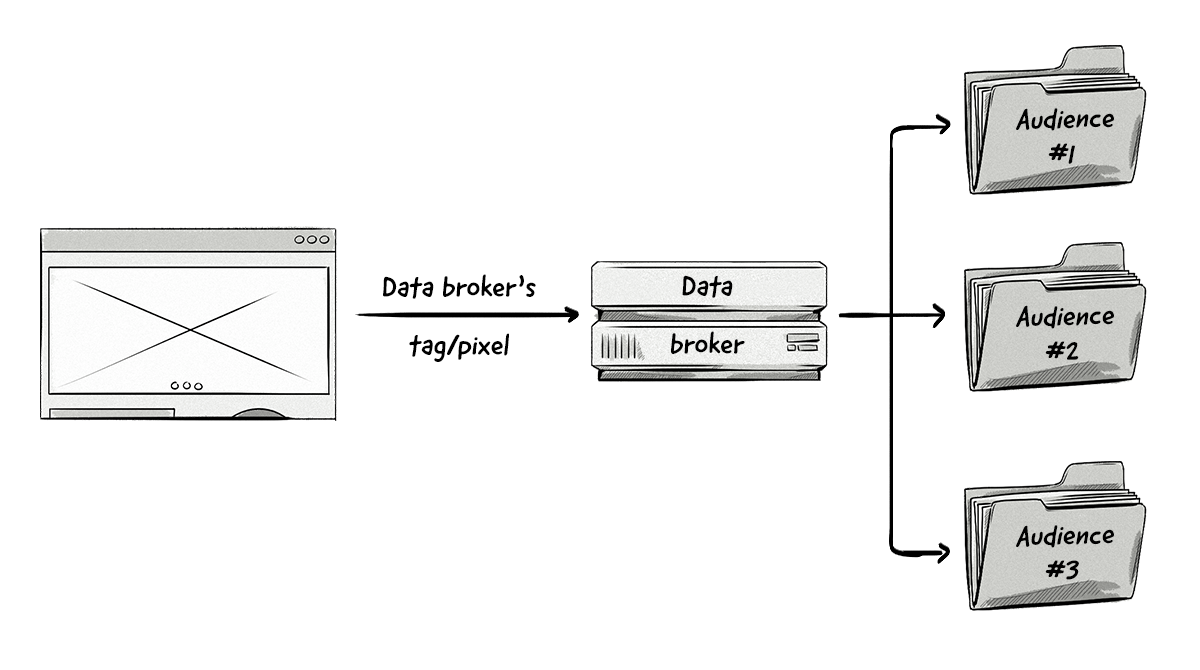
These entities gather information from numerous sources, including public records, online activities, and purchases. They then analyze this data to create detailed profiles of individuals, which can be used for a variety of commercial and marketing strategies.
- Information Collection: These entities collect data from various online and offline sources, such as social media, retail transactions, and public records.
- Data Analysis: They use sophisticated algorithms to analyze the collected data, identifying patterns and trends that can inform marketing strategies.
- Profile Creation: Based on the analysis, they create detailed profiles of individuals, which include demographic information, purchasing habits, and interests.
- Data Utilization: The profiles are then sold or provided to businesses, enabling them to target specific groups of consumers more effectively.
The role of these entities in the economy is multifaceted, influencing sectors ranging from retail to finance. However, their activities also raise significant privacy concerns, prompting discussions about the need for regulation and oversight.
Who Are Information Aggregators?
This section delves into the intricate operations of entities that collect and manage vast amounts of personal information. These organizations play a crucial role in the digital economy by facilitating the exchange of consumer details among various businesses.
Information Aggregators are companies that gather, analyze, and sell personal details to third parties. They operate by collecting information Remove your info from BlockShopper various sources, including public records, online activities, and consumer transactions. This data is then segmented and categorized to provide insights that can be used by businesses for marketing and other strategic purposes.
The primary function of these aggregators is to enhance the efficiency of data utilization. By consolidating information from diverse sources, they enable companies to access comprehensive profiles of potential customers. This capability is particularly valuable in sectors where detailed consumer insights can significantly influence business strategies.
Moreover, Information Aggregators employ sophisticated algorithms and data processing techniques to ensure the accuracy and relevance of the information they provide. This technological sophistication allows them to offer tailored solutions that meet the specific needs of their clients, thereby optimizing the effectiveness of marketing campaigns and other business initiatives.
In essence, these aggregators act as intermediaries in the data economy, bridging the gap between the vast amount of information available and the specific needs of businesses looking to leverage this data for competitive advantage.
How Information Aggregators Operate
This section delves into the mechanisms through which entities collect, analyze, and utilize consumer information to enhance marketing strategies. It explores the processes that enable these entities to gather insights and tailor promotional efforts to specific demographics.
Information aggregators employ a variety of techniques to obtain personal details from consumers. These methods include:
- Purchasing lists from various sources
- Collecting data through online interactions
- Analyzing public records and social media profiles
Once the information is collected, it is processed through sophisticated algorithms to identify patterns and preferences. This analysis helps in creating detailed consumer profiles, which are then used to:
- Personalize marketing messages
- Target advertisements more effectively
- Optimize product offerings
The role of information in marketing is pivotal. It allows companies to understand consumer behavior deeply and respond with tailored offerings that meet specific needs. This targeted approach not only enhances consumer satisfaction but also boosts the efficiency of marketing campaigns, leading to higher conversion rates and increased profitability.
However, the extensive use of personal information raises significant ethical and privacy concerns. Balancing the need for effective marketing with the respect for individual privacy is a critical challenge that information aggregators must address.
The Role of Data in Luxury Marketing
In the realm of upscale marketing, precise consumer identification and engagement are paramount. This section delves into how detailed information plays a critical role in tailoring marketing strategies to meet the expectations of affluent clientele.
Effective marketing in the premium sector relies heavily on understanding consumer behavior and preferences. Here are some key ways through which detailed insights contribute to successful marketing campaigns:
- Personalization: By analyzing consumer preferences and purchasing history, marketers can create highly personalized offers and experiences that resonate with affluent consumers.
- Segmentation: Detailed information allows marketers to segment the market more effectively, targeting specific groups with tailored messages and products.
- Predictive Analysis: Utilizing historical data, marketers can predict future trends and consumer behaviors, enabling proactive rather than reactive marketing strategies.
- Enhanced Customer Experience: Insights into consumer interactions with previous campaigns can help refine customer service and overall brand interaction, enhancing satisfaction and loyalty.
- Competitive Advantage: Detailed analysis of market trends and competitor strategies provides a significant edge in positioning products and services uniquely in the competitive landscape.
In summary, detailed information is not just a tool but a cornerstone in the strategy of upscale marketing, enabling brands to connect deeply with their target audience and maintain a leading position in the competitive premium market.
Targeting High-End Consumers
This section delves into the strategies employed by companies to effectively reach affluent clientele. By understanding the preferences and behaviors of this exclusive demographic, businesses can tailor their marketing efforts to maximize engagement and conversion rates.
Segmentation and Personalization: To successfully appeal to affluent consumers, companies must first segment their audience based on various criteria such as income, lifestyle, and purchasing habits. Personalization plays a crucial role in this process, as it allows for tailored communications that resonate more deeply with individual consumers.
Quality and Exclusivity: Affluent consumers often seek products and services that offer superior quality and exclusivity. Marketing campaigns that highlight these attributes can be particularly effective. By emphasizing craftsmanship, unique features, and limited availability, companies can create a sense of desirability and urgency.
Influencer Partnerships: Collaborating with influential figures who resonate with affluent audiences can significantly boost visibility and credibility. These partnerships can take various forms, from endorsements to co-created content, providing a platform for authentic storytelling that aligns with the brand’s values.
Digital Engagement: Leveraging digital platforms is essential for reaching affluent consumers who are tech-savvy and often active online. Social media, email marketing, and targeted advertising are powerful tools for engaging this demographic. Content that is informative, visually appealing, and interactive can capture their attention and foster loyalty.
In conclusion, targeting affluent consumers requires a nuanced approach that combines segmentation, personalization, quality assurance, influencer partnerships, and strategic digital engagement. By focusing on these key areas, companies can effectively connect with their most valuable customers and drive sustainable growth.
Data Privacy Concerns
This section delves into the critical issues surrounding the collection and use of personal information in the context of sophisticated marketing strategies. As companies gather and analyze vast amounts of consumer data, the implications for privacy become increasingly significant.
The integration of advanced technologies in marketing has led to a surge in the demand for detailed consumer profiles. These profiles are often compiled without explicit consumer consent, raising ethical and legal questions. The following table outlines key concerns and their potential impacts:
| Concern | Description | Impact |
|---|---|---|
| Unauthorized Data Collection | The gathering of personal information without the individual’s knowledge or consent. | Breaches of privacy and potential misuse of sensitive information. |
| Data Security | The risk of personal data being accessed by unauthorized parties due to inadequate security measures. | Identity theft, financial loss, and damage to personal reputation. |
| Transparency | Lack of clear information about how personal data is used and shared. | Loss of consumer trust and potential legal repercussions. |
| Data Retention | The prolonged storage of personal data, often without a clear purpose or expiration date. | Increased vulnerability to data breaches and prolonged privacy risks. |
Addressing these concerns requires a comprehensive approach that includes robust data protection laws, enhanced transparency in data practices, and the implementation of stringent security measures. Consumers must also be empowered through education and accessible tools to manage their personal information effectively.
Regulation and Oversight
This section delves into the critical aspects of governing and supervising entities that collect and manage consumer information, particularly in the context of upscale marketing. As these entities play a pivotal role in shaping consumer experiences and brand strategies, it is essential to understand how regulatory frameworks impact their operations and the overall industry.
In many jurisdictions, there are laws designed to protect consumer privacy and ensure that information collectors adhere to ethical standards. These regulations often require transparency in how personal details are gathered, used, and shared. Compliance with these laws not only safeguards consumer rights but also enhances the credibility and reputation of the brands involved.
Moreover, oversight bodies play a crucial role in enforcing these regulations. They monitor the activities of information collectors, conduct audits, and impose penalties for non-compliance. This level of scrutiny ensures that brands do not exploit consumer data for unethical or harmful purposes.
The impact of such regulations on brands is multifaceted. On one hand, they may limit the extent of data that can be collected and used, potentially restricting marketing strategies. On the other hand, adherence to these regulations can build trust with consumers, leading to stronger brand loyalty and positive market perception.
Ultimately, the balance between leveraging consumer information for effective marketing and respecting privacy rights is a delicate one. Effective regulation and oversight are essential to maintain this balance, ensuring that the interests of both brands and consumers are protected.
Impact on Luxury Brands
This section delves into how sophisticated consumer targeting strategies influence premium brands. By examining the effects of precise audience segmentation, we can understand how these tactics shape brand perception and operational dynamics.
The strategic use of consumer information allows brands to tailor their marketing efforts more effectively, enhancing customer engagement and loyalty. However, this approach also raises significant ethical and practical considerations regarding consumer privacy and brand integrity.
| Aspect | Positive Impact | Negative Impact |
|---|---|---|
| Brand Perception | Enhanced by personalized marketing, leading to stronger customer relationships. | Potential for backlash if consumers feel their privacy is invaded. |
| Operational Efficiency | Increased effectiveness in reaching the right audience, optimizing marketing spend. | Requires robust data management practices to avoid breaches and maintain trust. |
| Customer Loyalty | Personalized experiences can deepen customer loyalty and repeat purchases. | Risk of alienating customers if personalization feels intrusive or manipulative. |
In conclusion, while precise consumer targeting can significantly benefit premium brands by enabling more effective marketing and enhancing customer relationships, it is crucial to navigate these practices carefully to preserve consumer trust and brand reputation.
Consumer Perception and Reactions

This section delves into how individuals perceive and react to the practices employed by entities that gather and sell personal information, particularly in the context of premium consumer sectors. As these practices become more prevalent, understanding public sentiment and responses is crucial for businesses and policymakers alike.
Consumers’ attitudes towards these information aggregators can vary widely, influenced by factors such as awareness, trust, and personal values. Here are some key aspects of consumer perception and reactions:
- Awareness: Many consumers are unaware of the extent to which their personal details are collected and utilized. Increased transparency could lead to greater consumer engagement and potentially more informed decisions.
- Trust: Trust is a significant factor. Consumers are more likely to support companies that they believe handle their information responsibly and ethically.
- Privacy Concerns: Privacy is a major concern for many individuals. Any perceived threat to personal privacy can lead to strong negative reactions, including boycotts and public criticism.
- Economic Impact: Consumers might also consider the economic implications. Some may view the use of personal information as a fair exchange for personalized services or discounts, while others may see it as an unfair exploitation of personal data.
- Legal and Ethical Standards: The perception of whether these practices align with legal and ethical standards plays a crucial role. Consumers often react positively to companies that adhere to strict regulations and ethical guidelines.
Understanding these perceptions and reactions is essential for companies aiming to maintain a positive public image and comply with consumer expectations. As the landscape continues to evolve, ongoing research and adaptation will be key to navigating this complex terrain.
Future Trends in Data Brokerage
Exploring Emerging Patterns in Information Intermediaries: As technology advances and consumer expectations evolve, the landscape of information intermediation is poised for significant transformations. This section delves into the anticipated shifts that could redefine how personal details are managed and utilized in the realm of premium consumer engagement.
Advancements in Artificial Intelligence (AI): One of the most promising trends is the integration of AI into information management systems. AI can enhance the accuracy and relevance of consumer profiles, enabling more personalized marketing strategies. This technology can analyze vast datasets to predict consumer behavior, offering insights that were previously unattainable.
Blockchain Technology: Another significant trend is the adoption of blockchain for secure data transactions. This decentralized system ensures transparency and security, addressing concerns about data privacy and integrity. By leveraging blockchain, information intermediaries can build trust with consumers and regulatory bodies.
Increased Emphasis on Ethical Practices: As awareness about data privacy grows, there is a rising demand for ethical data handling. Future trends will likely see a stronger focus on practices that respect consumer rights and comply with stringent regulations. This shift will necessitate a reevaluation of business models to align with ethical standards.
Personalization at Scale: The ability to deliver highly personalized experiences without compromising privacy will be a key differentiator. Innovations in data anonymization and segmentation techniques will enable intermediaries to provide tailored offerings while safeguarding individual identities.
Collaboration with Tech Giants: Information intermediaries may increasingly partner with technology leaders to leverage their advanced analytics and cloud capabilities. Such collaborations can enhance data processing speeds and expand the scope of services offered, benefiting both intermediaries and their clients.
Regulatory Compliance as a Service (RCaaS): As regulatory landscapes become more complex, intermediaries might offer compliance services as a distinct offering. This could include automated tools for monitoring and ensuring adherence to data protection laws, thereby reducing the burden on businesses.
Consumer-Centric Data Control: Empowering consumers with greater control over their personal information is another trend on the horizon. Tools that allow individuals to manage their data sharing preferences and opt out of certain data uses will become more prevalent, reflecting a shift towards consumer empowerment.
In conclusion, the future of information intermediation is likely to be shaped by technological advancements, ethical considerations, and consumer demands. By embracing these trends, intermediaries can navigate the evolving landscape and continue to provide valuable services in a responsible and innovative manner.
Balancing Profit and Privacy
In the evolving landscape of consumer engagement, companies must navigate a delicate equilibrium between maximizing revenue and safeguarding personal information. This section delves into the emerging trends that are reshaping the approach to this balance, emphasizing the importance of ethical practices in maintaining consumer trust and operational sustainability.
As technology advances, several key trends are influencing how businesses manage this delicate balance:
- Increased Transparency: Consumers are demanding more openness about how their information is collected, used, and protected. Companies are responding by enhancing their disclosure practices and providing clearer explanations of their data policies.
- Enhanced Security Measures: With the rise in cyber threats, there is a growing emphasis on implementing robust security protocols to protect sensitive information. This includes the use of advanced encryption technologies and regular security audits.
- Personalization vs. Privacy: While personalized experiences are crucial for customer engagement, there is a fine line between personalization and invasion of privacy. Companies are exploring ways to offer tailored services without compromising privacy.
- Regulatory Compliance: New regulations and laws are being introduced to protect consumer data, forcing companies to adapt their practices to comply with these new standards. This includes the General Data Protection Regulation (GDPR) in Europe and similar initiatives worldwide.
- Consumer Education: There is a growing movement to educate consumers about their rights and the importance of data privacy. This empowers consumers to make informed decisions about their personal information.
These trends highlight the critical need for businesses to adopt a proactive approach in managing consumer data. By prioritizing privacy while continuing to innovate, companies can foster a more trustworthy and sustainable relationship with their customers.